At Chatterdillo, we believe in using simple, research based methods to target language development. Our exercises are designed around Blank's Levels of Questioning(Blank, Rose & Berlin, 1978)
- a model widely used by Speech and Language Therapists to strengthen verbal reasoning and abstract language skills.
The activities in Chatterdillo are tailored to help children build confidence in responding to different types of questions. As their understanding grows, they are guided through more advanced levels. Every activity includes adjustable difficulty, engaging audio, and interactive elements to sustain motivation and participation.
Children develop their abilities step-by-step - starting with questions like “What is this?” and progressing toward more abstract thinking, such as “Why do we need an umbrella?”
Our Exercises
Activities developed by licensed Speech and Language Therapists, so you can trust they are evidence-based, effective and designed to support children’s communication in educational settings.
Colourful Semantics Early - Sentence Building
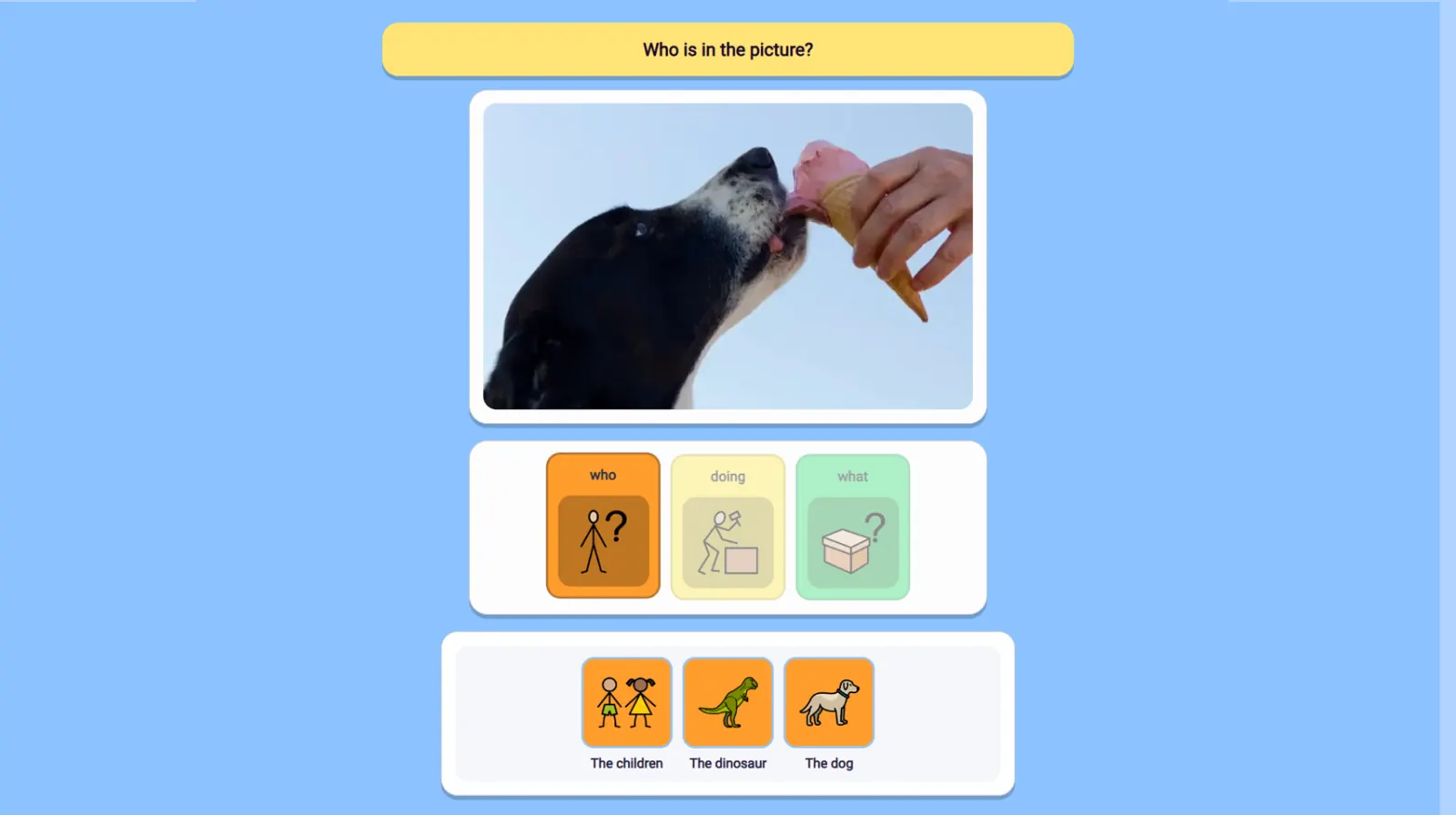
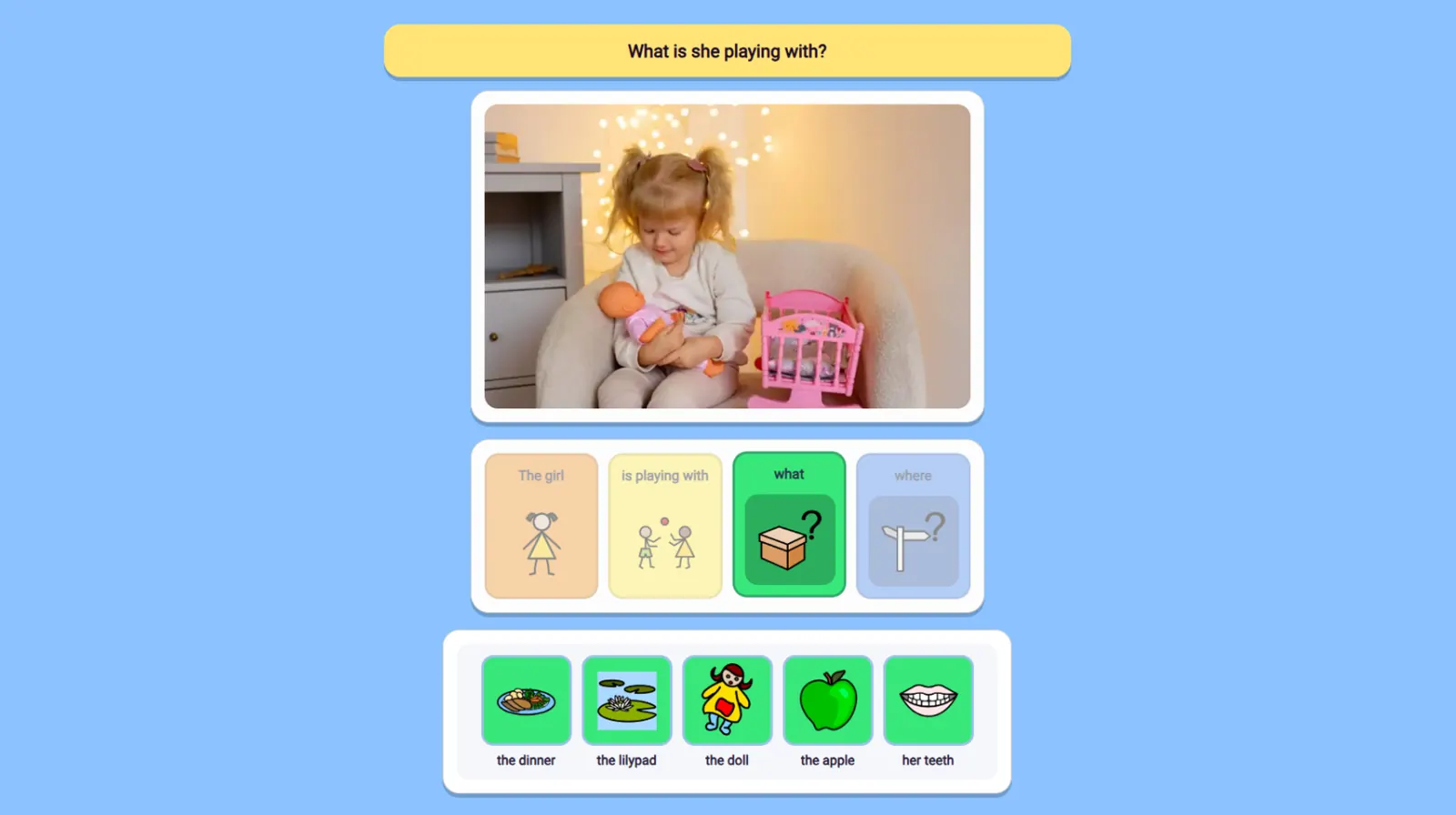
Colourful Semantics helps children understand what words mean, how words fit together, and how to create simple, meaningful sentences. It uses colours to group words, making it easier for your child to remember words, learn new vocabulary, and express themselves clearly. Research shows that visual grouping of words into colours helps children better understand language and remember words more effectively.
Develops ability to:
Name objects, people, actions - "what is this?"
Repeat a sentence - "The dog is sitting"
Describe a scene - "what's happening in this picture?"
Spot On - Prepositions
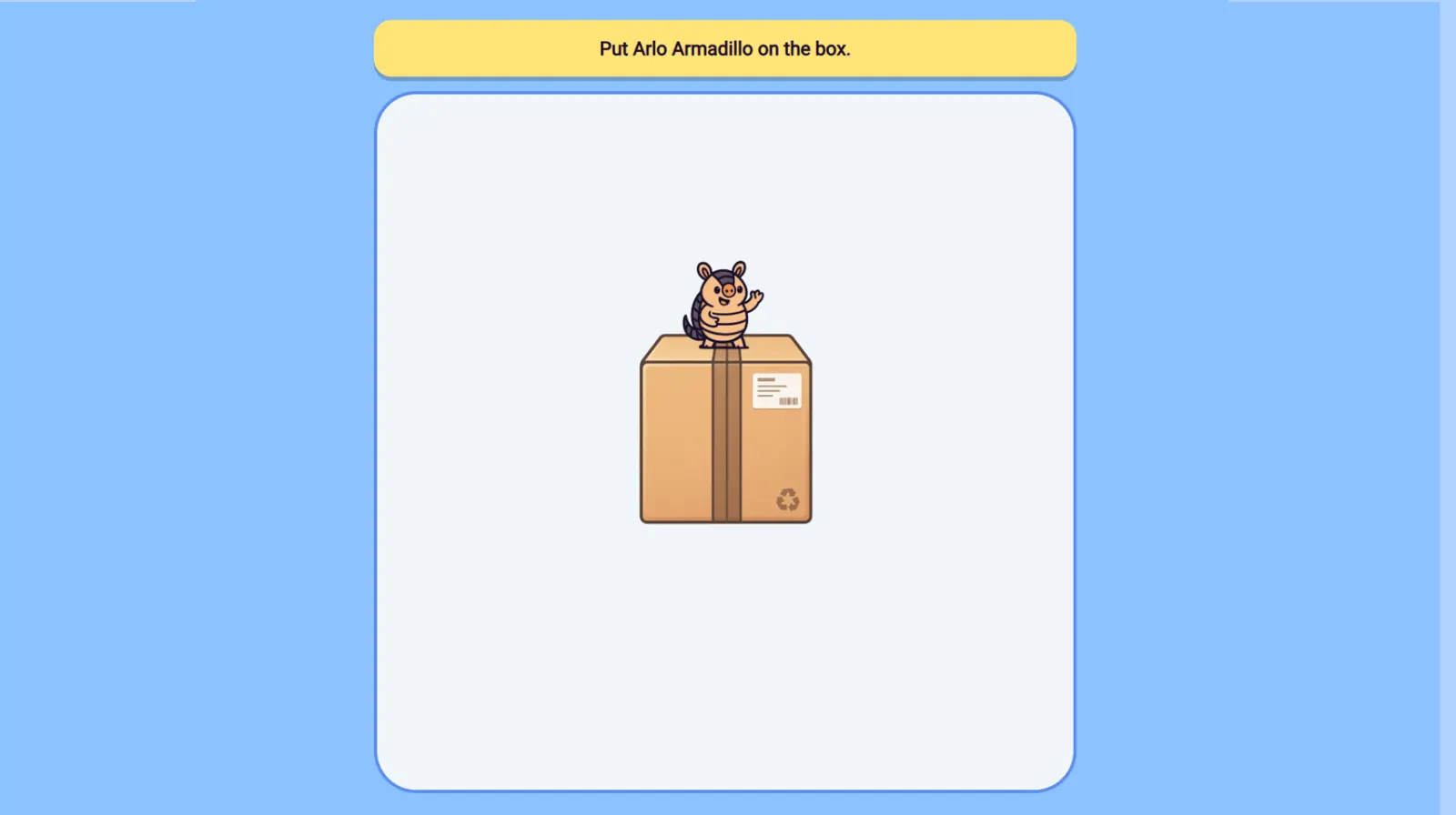
This activity helps children understand position words such as 'on, in, under, and next to'. By putting objects in the correct place, this activity teaches children how words can describe where things are. This hands-on approach makes it easier for children to understand spatial language, follow instructions, and describe the world around them. Research shows that learning through physical interaction and visual cues helps children understand and remember language concepts more clearly and effectively.
Develops ability to:
Understand position words such as 'on, in, under, and next to'.
Follow directional instructions - "put the teddy under the chair"
Develop spatial language to describe where objects are in relation to each other - "the dog is sitting next to the cat"
Who's Who? - Pronouns
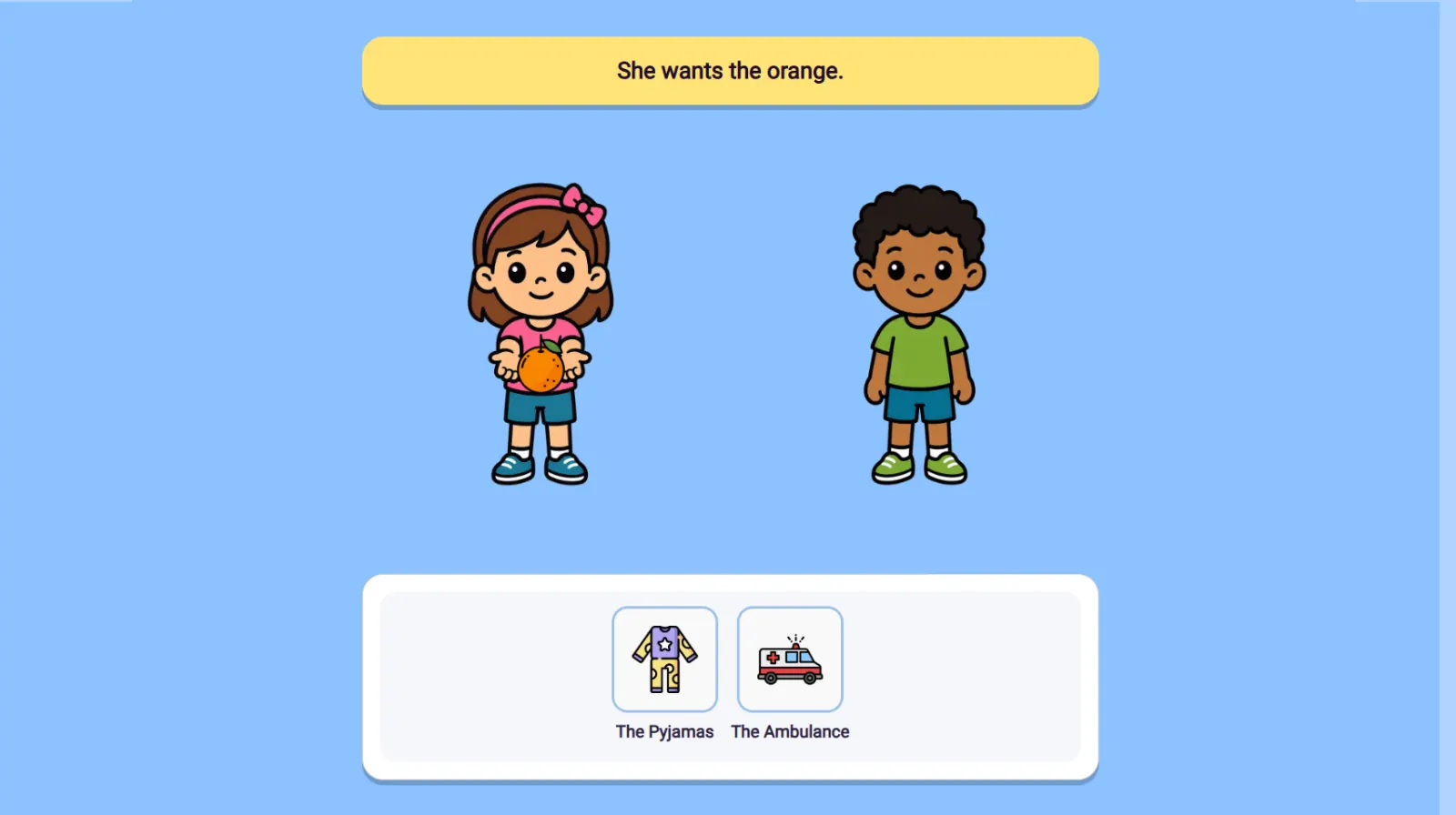
Pronoun activities help children understand 'who' words such as 'he, she, him, her, they and them'. In this activity, children learn how pronouns replace names and help us talk about people more easily. This interactive approach helps children connect words to people in a clear and meaningful way. This activity is a functional approach to learning, through giving children visual choices and simple actions, allowing them to remember and learn new words and ideas more easily.
Develops ability to:
Understand pronouns such as 'he, she, him, her, they and them'.
Identify the correct person when hearing a pronoun in a sentence or instruction - "give the ball to her".
Develop early grammar skills by linking pronouns to the people they correspond to - "he wants to play with the ball"
What's in the Bag? - Vocabulary Builder
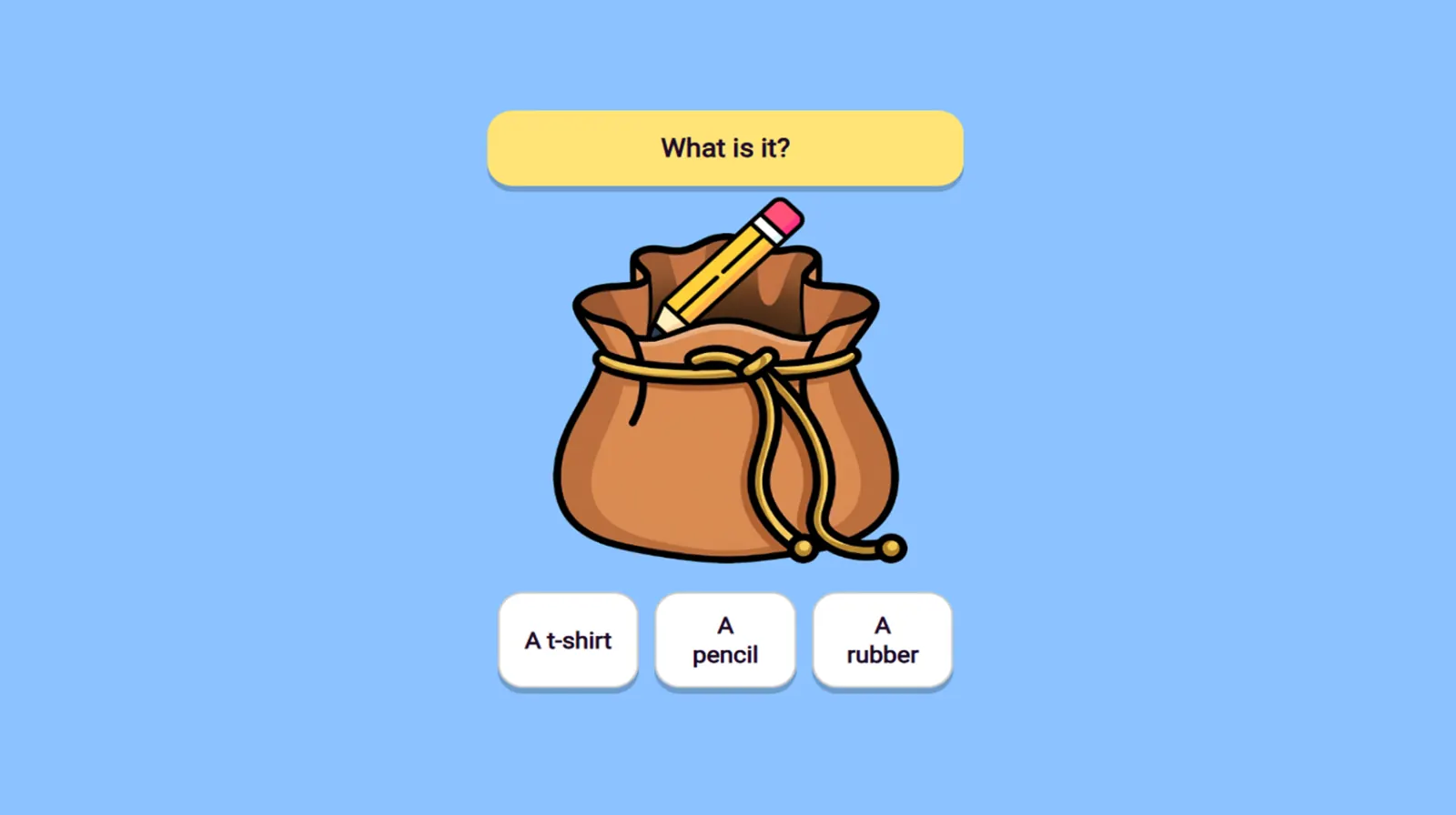
This interactive activity helps children develop and expand their vocabulary. Children build their vocabulary by developing semantic links between names and objects. This activity encourages children to recognise, recall and say words independently. Research shows that repeated exposure to objects alongside active recall and visual cues, supports vocabulary development and helps children remember words more effectively.
Develops ability to:
Build vocabulary by learning and naming everyday items
Develop the ability to recall information by identifying items when they appear
Strengthen semantic skills by connecting words to objects
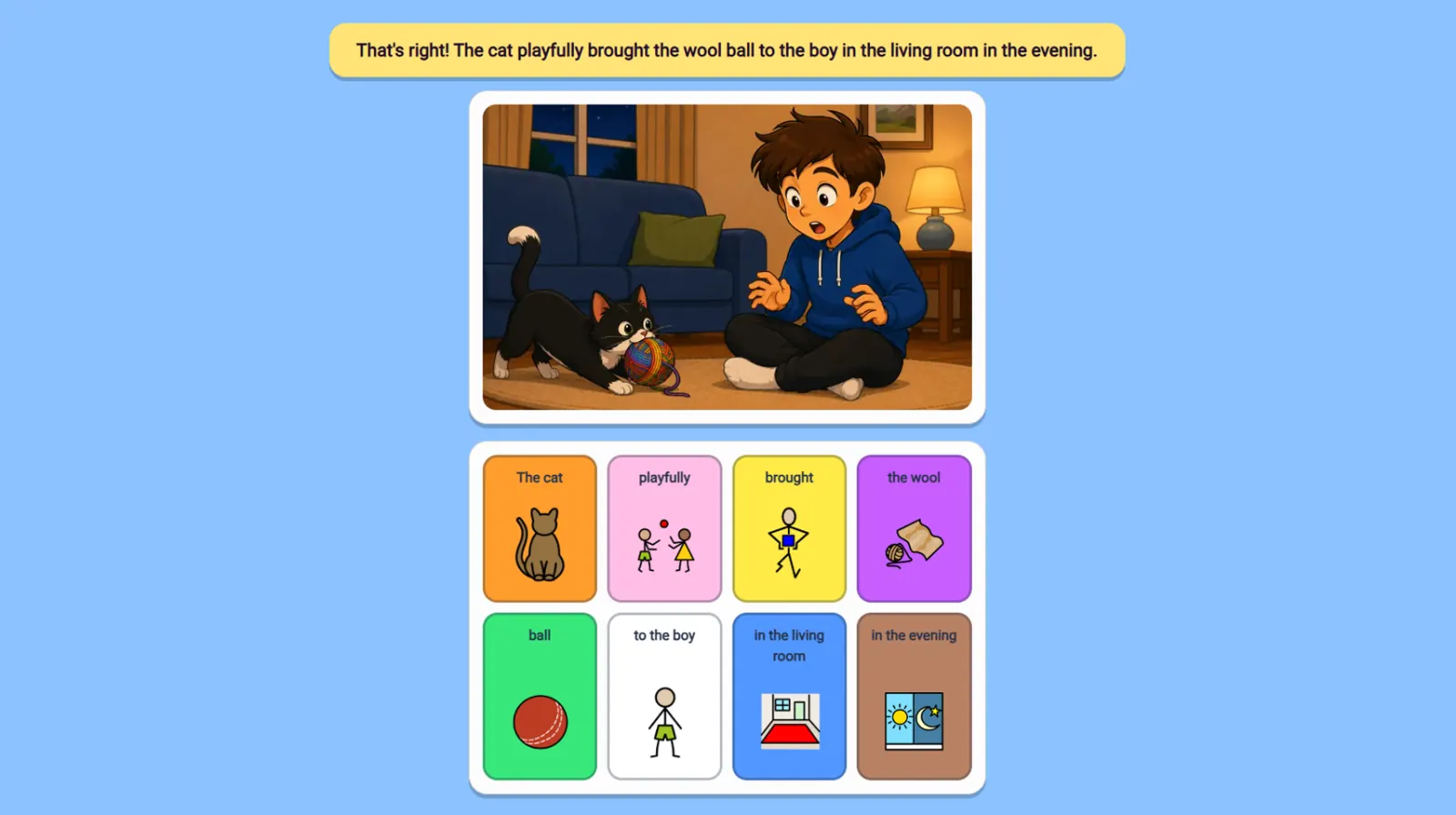
Colourful Semantics - Sentence Building
Colourful Semantics helps children understand what words mean, how words fit together, and how to create simple, meaningful sentences. It uses colours to group words, making it easier for your child to remember words, learn new vocabulary, and express themselves clearly. Research shows that visual grouping of words into colours helps children better understand language and remember words more effectively.
Develops ability to:
Name objects, people, actions - "What is this?
Repeat a sentence - "Let's say, the dog is sitting.”
Describe a scene - “What's happening in this picture?”
Think and Find - General Concepts
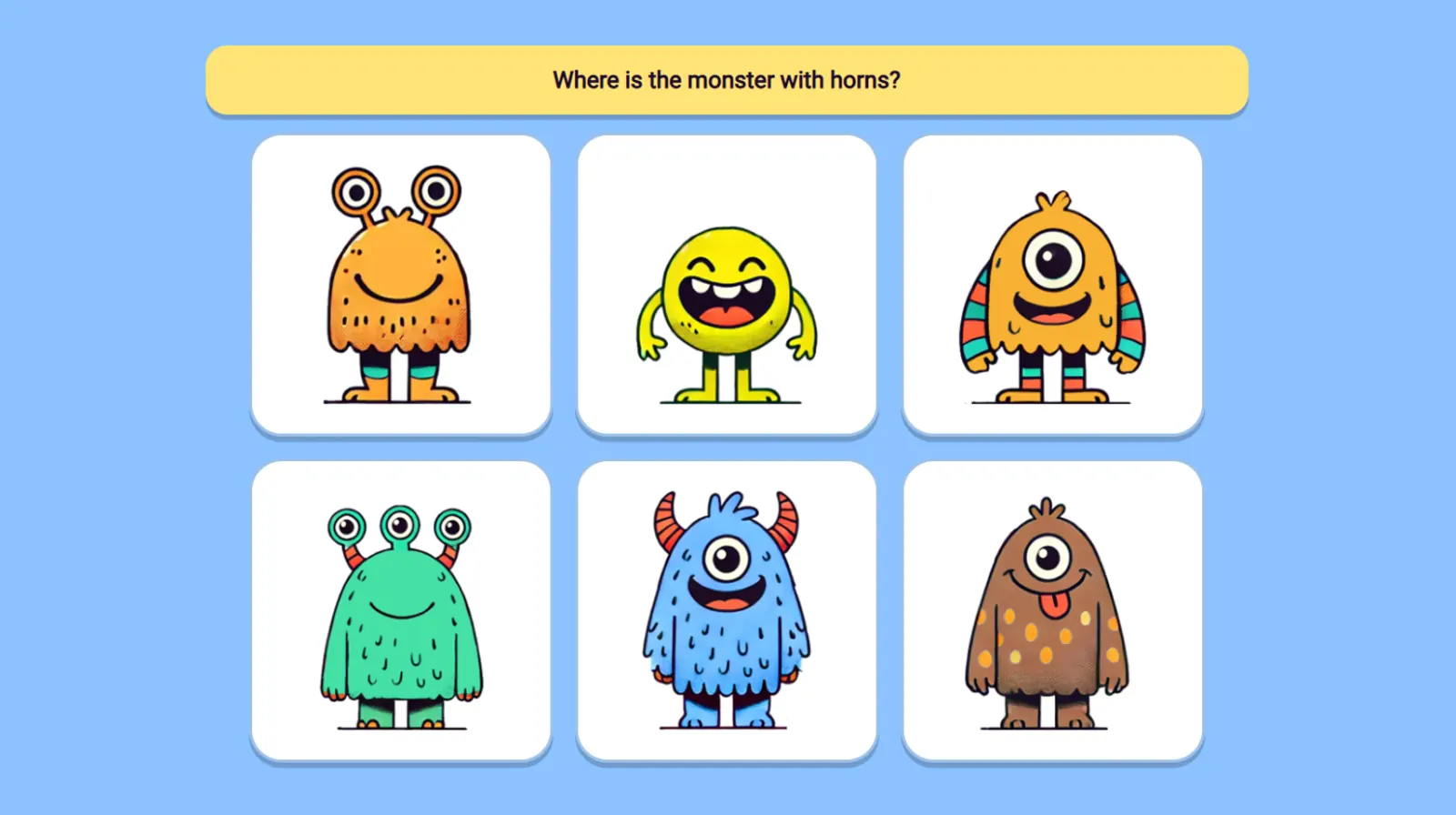
Think and Find is a matching activity that helps children learn new words and practise important thinking skills. It encourages children to develop conceptual thinking by matching pictures based on characteristics, improving their ability to notice details and make connections. This supports language growth, memory, and decision-making. It also serves as a natural path to categoristaion.
Develops ability to:
Point to / find an object - "Can you point to the lorry?
Match pictures and objects - “Can you find a car like this?”
Identify & describe characteristics: “What shape is this?”
Concept Quest - Size Concepts
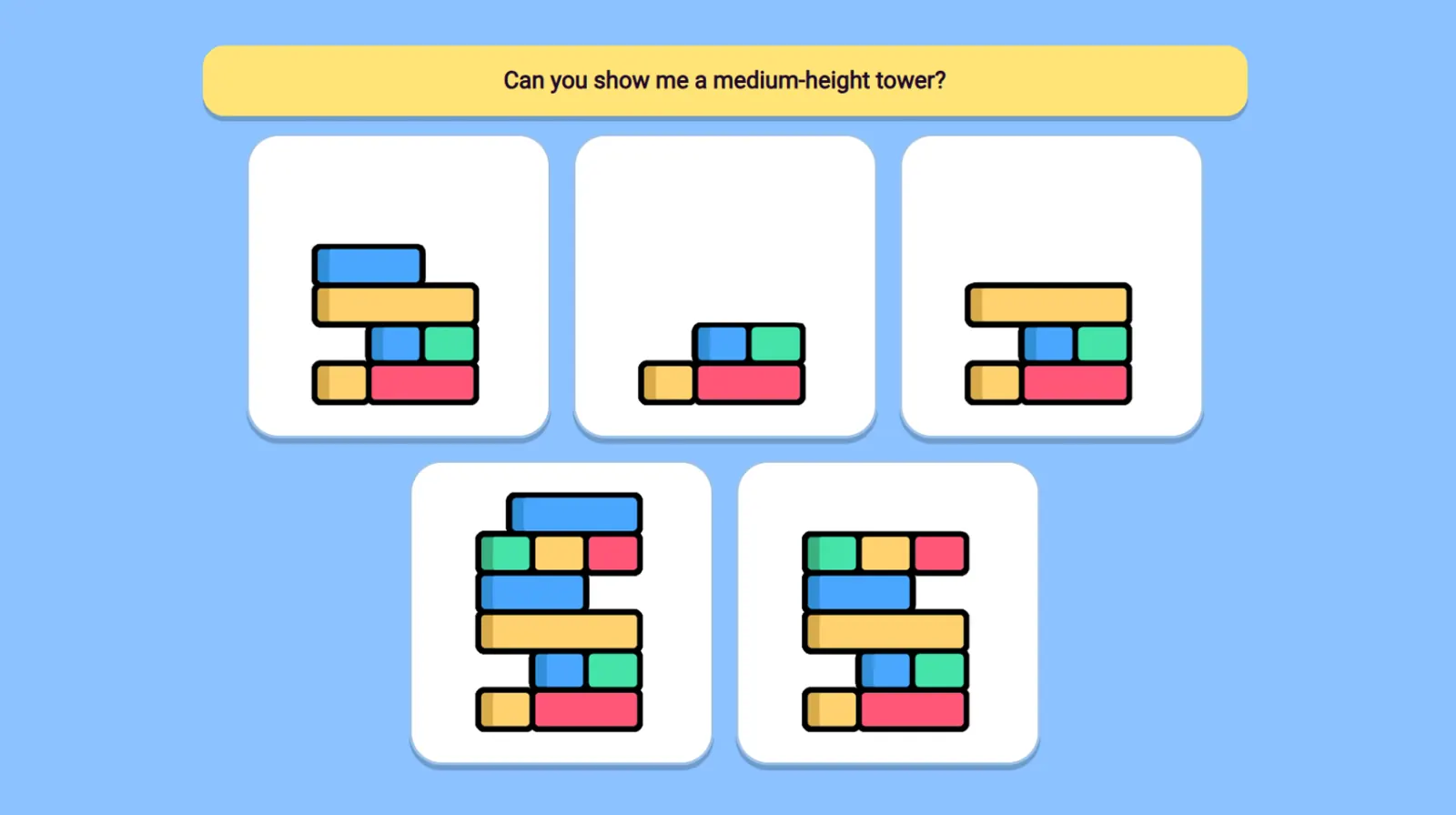
Concept Quest is designed to help children learn and apply early size concepts such as long, short, tall, big, and small. By matching pictures or objects to these concepts, children develop their ability to compare, categorise, and describe the world around them. This exercise supports language development, visual discrimination, and conceptual reasoning, laying the groundwork for spatial understanding and mathematical skills.
Develops ability to:
Understand size descriptors - "Which one is long?
Identify spatial concepts - “Can you point to a tall tower?”
Apply comparative language: “Which one is smaller?”
Categorisation - Sorting into Groups
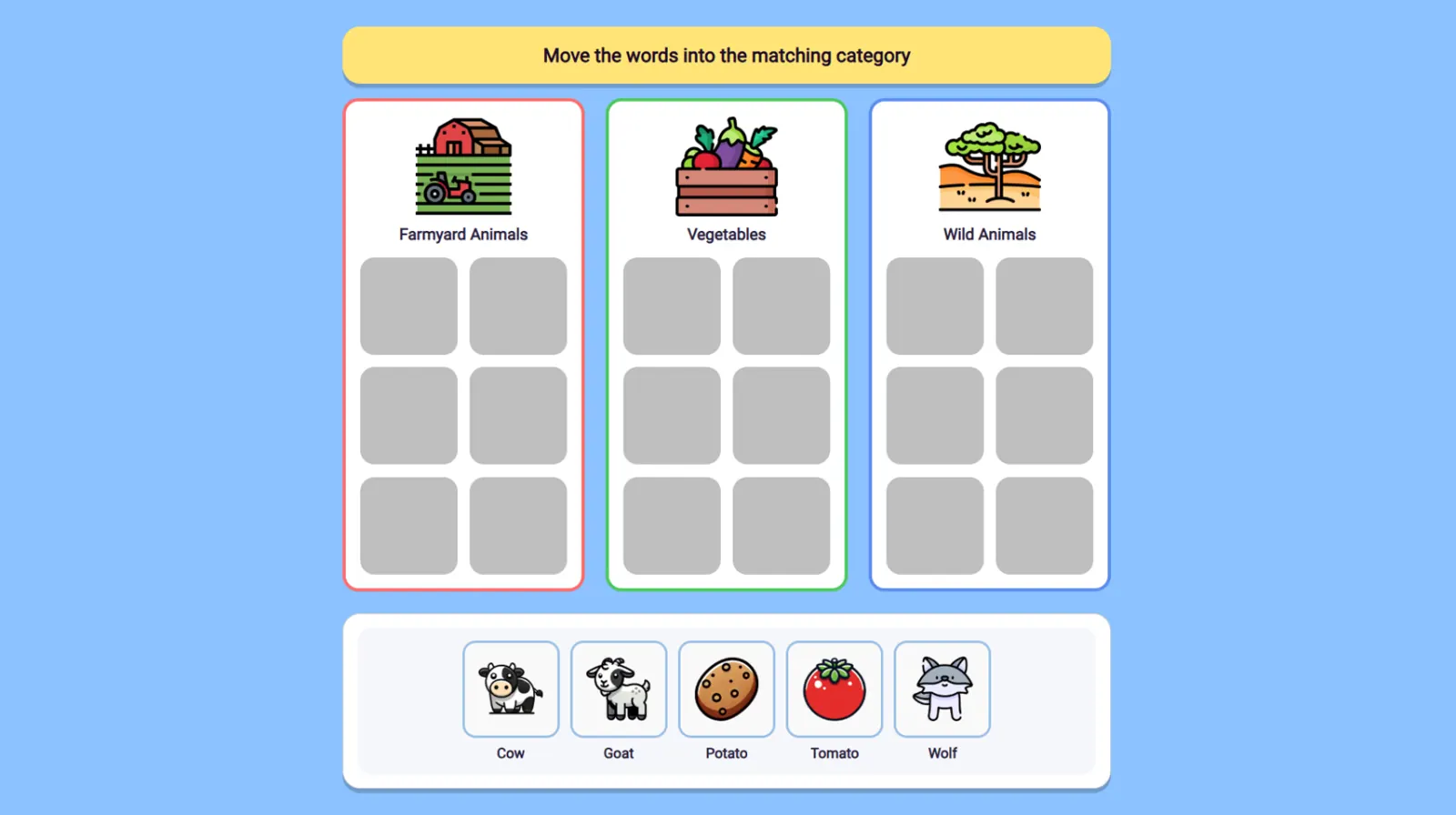
Categorisation levels up conceptual thinking by encouraging children to group things together based on similarities. Learning to group things together helps children understand and recall new words more easily, build their vocabulary, and clearly express ideas.
Develops ability to:
Group items - "Which of these go together?
Identify categories - “What kind of thing is this?”
Compare and contrast: - “How are these similar?”
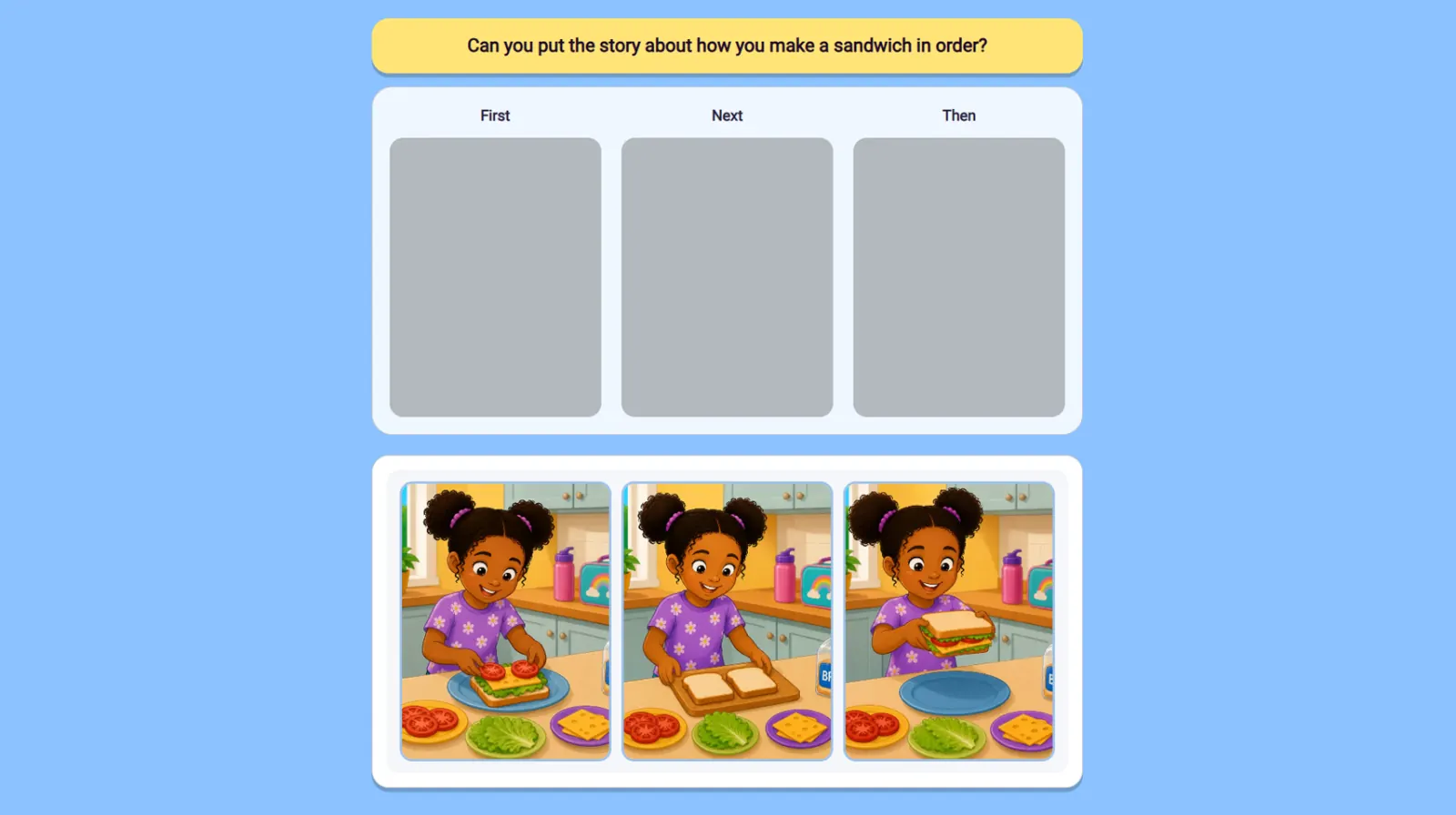
Story Train - Ordering Pictures
Story Train is a sequencing activity where children arrange pictures in specific orders to tell a story or show a process. This activity helps children to understand concepts such as time, order, and how events are connected. Sequencing also supports language development, comprehension, and logical thinking.
Develops ability to:
Arrange events in order - "What happened first?
Describe actions and stories - “What is happening here?”
Use time words like "first", "next" and "then"
Colourful Semantics Plus - Sentence Building
Colourful Semantics helps children understand what words mean, how words fit together, and how to create simple, meaningful sentences. It uses colours to group words, making it easier for your child to remember words, learn new vocabulary, and express themselves clearly. Research shows that visual grouping of words into colours helps children better understand language and remember words more effectively.
Develops ability to:
Name objects, people, actions - "What is this?"
Repeat a sentence - "Let's say, the dog is sitting."
Describe a scene - "What's happening in this picture?"
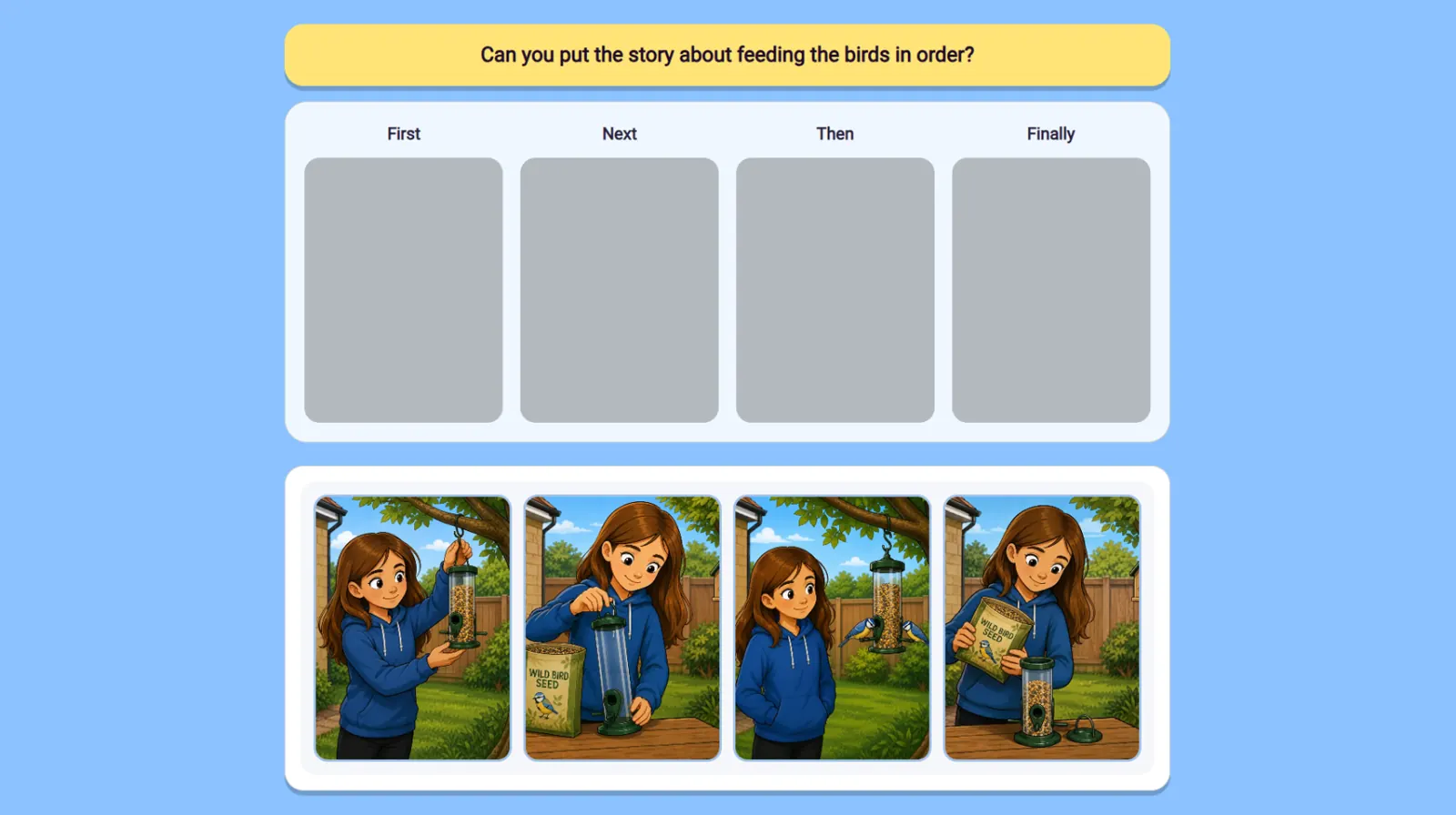
Story Train Plus - Ordering Pictures
Story Train Advanced introduces more complex narratives, a wider range of options, and less obvious sequences, encouraging deeper thinking about how events connect. This helps children develop a stronger understanding of time, cause and effect, and narrative structure. Sequencing at this level also supports more advanced language skills, including comprehension, reasoning, and the ability to organise and explain ideas clearly.
Develops ability to:
Understand complex sequences by organising events in a logical and meaningful order
Develop reasoning skills by identifying cause, effect, and relationships between events
Improve narrative and language skills by explaining and describing sequences clearly
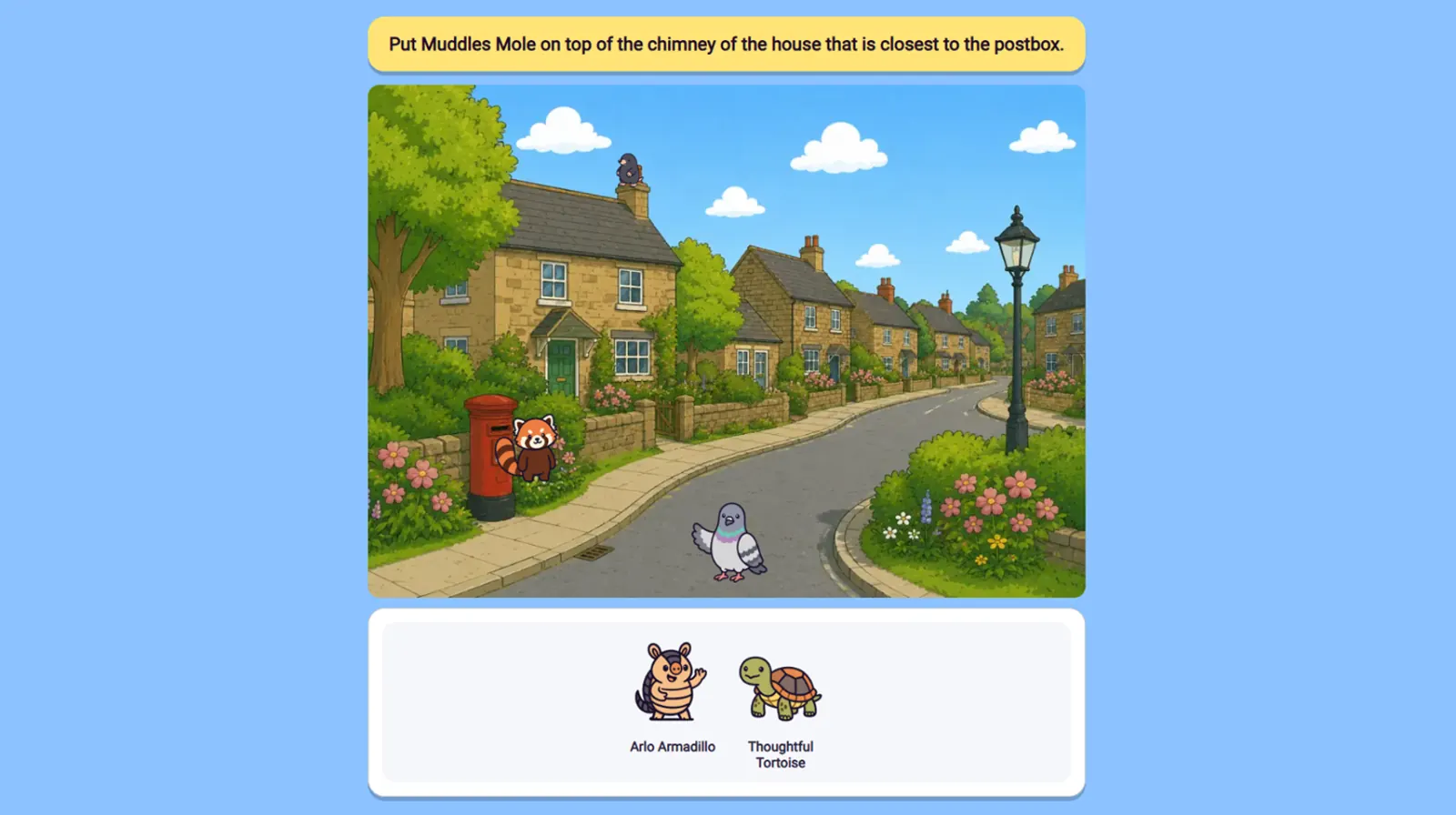
Task Master - Instructions
This activity helps children develop their ability to follow clear, structured instructions. By listening to and following specific instructions to place objects within a scene, children learn to organise information in the correct order and use precise, descriptive language. This activity supports understanding clarity in communication, and the understanding and use of instructional language. Research shows that practising step by step instructions helps children improve both their expressive language and their ability to convey information accurately.
Develops ability to:
Listen to and follow multi-step instructions
Use positional and descriptive vocabulary to place objects correctly within a scene
Develop expressive language skills by responding to and discussing instructions using clear, precise language
In the Know - Inferencing
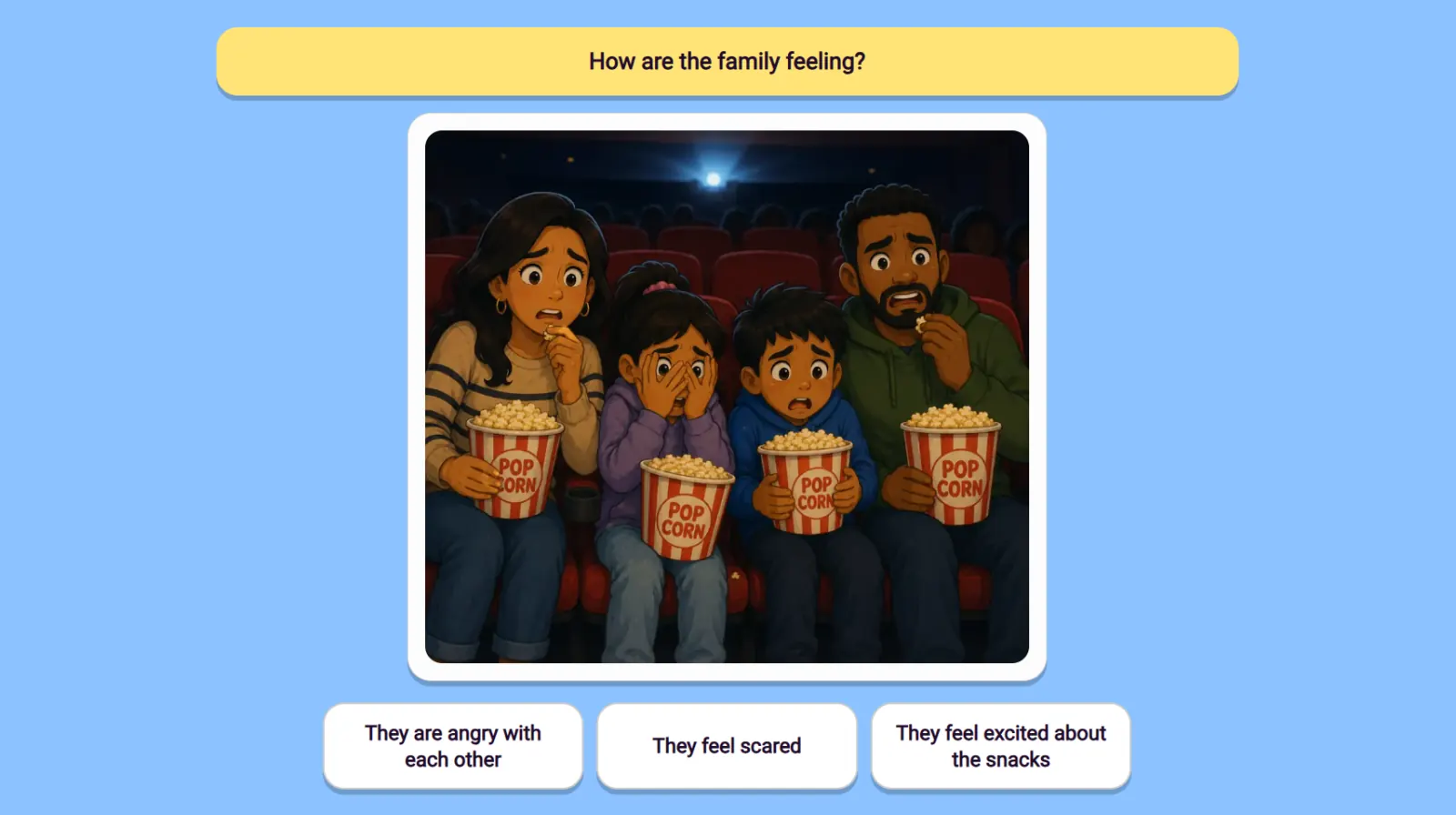
This activity helps children develop the ability to understand information that is not directly stated. By looking at clues in pictures, situations, or short scenarios, children learn to explain how they know something and justify their answers. This supports deeper comprehension, critical thinking, and the ability to connect ideas. Inferencing skills help children understand meaning beyond what is immediately conveyed.
Develops ability to:
Use clues and prior knowledge to make informed inferences
Explain reasoning by answering "how do you know?" questions
Develop comprehension skills by understanding implied meaning
What Happens Next - Predicting
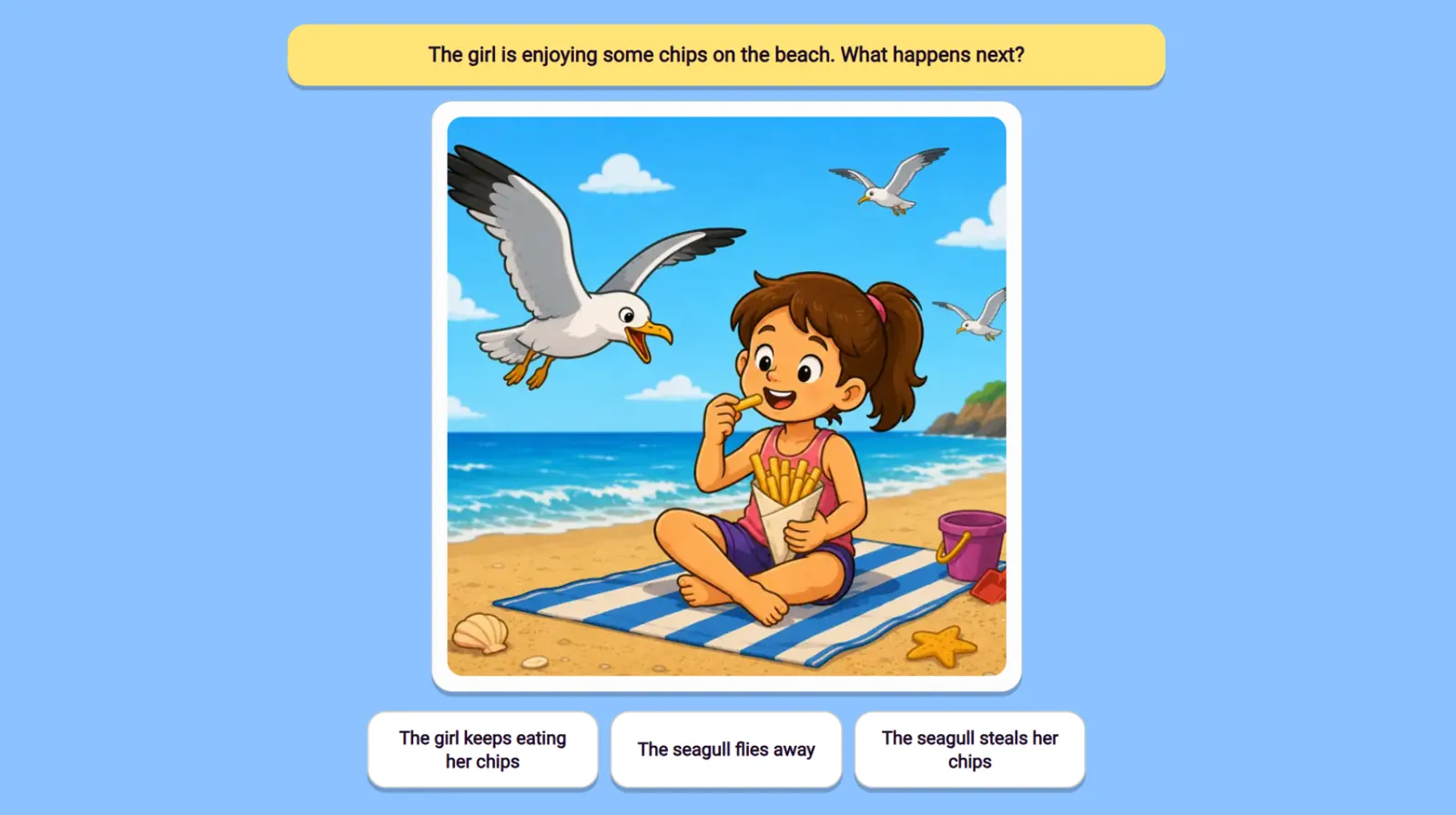
Predicting activities help children think ahead and anticipate what might happen next in a story or situation. By using visual clues, context, and prior knowledge, children learn to make logical predictions and explain their thinking. This supports comprehension, engagement, and the ability to understand how events are connected. Research shows that prediction strengthens understanding of narrative structure and helps children become more active, thoughtful learners.
Develops ability to:
Make logical predictions based on clues and prior knowledge
Explain thinking when suggesting what might happen next
Understand sequences and the outcomes of different events